
Madera Neighbors: Block Sources
A Madera block search starts with the ground itself. The county GIS viewer shows which parcels touch an address, and the Assessor and tax systems layer on parcel and bill details. Voter files can be sorted by street, but only for a qualifying purpose. City permits and public-record requests leave a dated civic trail. Local programs, meanwhile, open a contact channel without ever publishing a member roster.
| Source | What It Shows About a Block | Access |
|---|---|---|
| County GIS Address Locator | Parcel shapes, APNs, roads, jurisdiction, and map layers | Free map search by address or APN |
| Assessor and ParcelQuest Lite | Parcel characteristics and an ownership lead when authorized | Basic route, counter, or authorized county data |
| Property tax search | Assessment or fee-parcel bills, payment status, and address matches | Free web search; assessed owner suppressed |
| City permits and CPRA | Dated work, site, and disclosed applicant or contractor fields | Permit page, department, or focused request |
| Approved voter file | Street-ordered registration data for qualifying uses | Application and approval only |
| Neighborhood programs | Public contact routes and activities, not member households | City program contact |
None of these sources alone gives you a complete neighbor list. A parcel record identifies land. An assessment can point to an owner lead. A tax bill ties an address to its parcel number. No document proves the owner actually lives there. No record names every person in a household. Protected addresses and redacted fields appear throughout Madera County records. Label every result clearly as parcel, owner, voter, program, permit, or household evidence.
Madera Neighbor Parcels Around an Address
The Madera County GIS viewer supports a visual adjacent-parcel method. Search the address or APN. Zoom in until the parcel lines read clearly. Then note the jurisdiction and layer details before working outward. Treat the map as a current-oriented tool supplied as-is. An apparent boundary is a lead, not proof of occupancy or title.
- Search the address or APN and record the parcel number, roads, city or county jurisdiction, and useful layers.
- Pan and click each touching or facing polygon, recording the APN and the relation to the target parcel.
- Run each APN or address through the tax route and use the Assessor counter or authorized data for ownership details.
- Compare the city limit, zoning, and permit custodian before asking for a city record.
- Stop at parcel precision. A whole named-street chain belongs in the Madera street-address directory, not in an unsupported claim about every household.
Madera County GIS publishes no buffer or radius tool. Visual adjacency is the honest method. Click the polygons that touch or face the subject parcel, and keep the map date with your notes.
Madera Neighbor APNs Without Household Inference
An APN is the stable parcel key. It links Madera GIS, the Assessor, and the tax system. The county tax portal accepts a 12-digit Assessment Number, a 12-digit Fee Parcel Number, or a street address. Type all 12 digits and drop any letters; the county example is 001-001-001-000. Results show the bill and payment status. The online record leaves out the assessed owner name by design.
The Assessor's gateway routes basic property users to the externally hosted ParcelQuest Lite. Property characteristics wait at the second-floor counter, 200 W. Fourth Street, or by phone at 559-675-7710. County data keeps situs, owner mailing address, APN, city and county boundaries, and street centerlines distinct. A mailing address can differ from the situs. An assessment owner is not automatically an occupant. When a parcel identity must survive a changed street label, lean on the legal description or recorded deed.
- APN
- The parcel number used to join map, assessment, and tax records.
- Situs
- The physical location of the parcel, distinct from the owner's mailing address.
- Adjacency
- A map relationship between parcel polygons, not a household or personal relationship.
Note: Parcel precision prevents wrong matches, but it never turns an owner record into a list of residents.
Madera Neighbor Voter Lists Have Legal Gates
California My Voter Status is a self-lookup, not a Madera residents directory. It asks for first and last name. It also asks for birth date. It wants driver license or ID details, the last four of a Social Security number, and privacy controls. An authenticated voter sees registration location. The status view adds party preference, election language, vote-by-mail or provisional status, a polling place, and county contact. Ballot choices never appear. The tool cannot enumerate a block.
The California Secretary of State voter-file request route lays out the controlled application path for candidates, committees, and approved election, scholarly, journalistic, political, or governmental uses. Elections Code section 2194 limits use. It excludes driver-license and ID data, Social Security data, unique identifiers, and signatures. Elections Code section 18109 makes knowing unauthorized acquisition or use a misdemeanor. A street-sorted voter list is a restricted civic record. It is not a casual way to find neighbors in Madera.
The application asks for the applicant's addresses, phone, ID, data requested, and intended use. It also wants an authorizing organization when one applies. Madera Elections sits at 200 W. Fourth Street, reachable at 559-675-7720 or 800-435-0509, weekdays 8 to 5. The county Elections office route handles local routing. Protected voters and Safe at Home addresses stay confidential. The self-lookup remains a personal tool, never a public block list.
The restricted request page is the formal access route for controlled voter information in any Madera neighbor search.
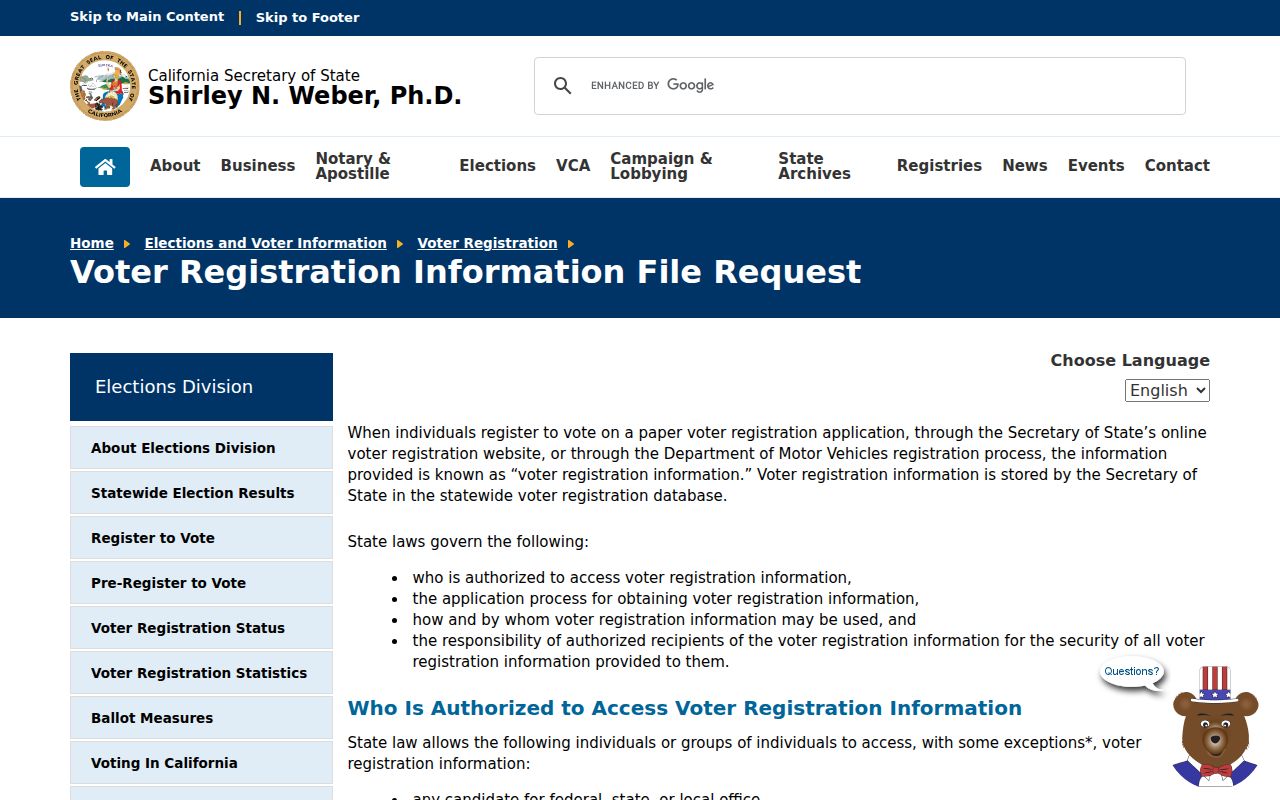
The approval step stands at the center: a voter file can be street-ordered only inside the lawful purpose and recipient rules.
Madera Neighbor Community Watch Connections
Madera Neighborhood Revitalization offers civic contact channels. These help a person get to know a block without exposing any private roster. Its programs include Neighborhood Watch, Anti-Graffiti, Adopt-a-School, Love Madera, and National Night Out. Neighborhood Watch contact is Christina Herrera at 559-661-2853. The city publishes no member directory. Treat the contact as a program route rather than a source for naming households.
| Program | Block-level value | Public access |
|---|---|---|
| Neighborhood Watch | Safety-awareness and local contact channel | Christina Herrera, 559-661-2853 |
| Anti-Graffiti | Reports or cleanup context for a place | City program route |
| Adopt-a-School | School-community connection | Program contact |
| Love Madera | Community participation context | City program route |
| National Night Out | Public event connection | Event or program route |
These channels confirm how to reach a civic program. They do not prove anyone lives on a block. And they never open a private member list.
Madera Neighbor Watch Counts from 2018
Madera's 2018 police report counted 97 Neighborhood Watch groups. It also counted 27 Business Watch groups across the city. Linda Mesa, Tevin Way, and Riverview W Central were named as examples from that period. An older 2015 city packet stretched the list much further. It named Fillmore; South B/Sierra Vista; Monterey; Kennedy Estates North and South; Vista Del Sierra; Lemon/New Parkwood; Home Ranch; Bay Court; Chianti; Woodland; Georgia/New Parkwood; Sanarita Way; Mission Avenue; Santa Barbara; Lincoln; and Wessmith Way. These are historical names only. They help when you read an old civic document or chase a neighborhood-history lead. They do not prove a group still meets. Nor do they prove an HOA exists today, or that any member roster is public. Madera publishes no current master HOA or neighborhood-association directory.
Note: A historical group name gives context for a dated record, not a current identity match.
Madera Permits and Police Records
City permits are address-keyed evidence about work at a place, not a resident roll. Madera's Building Department exposes issued and completed permits. It also runs an Electronic Plan Check program and a public-record route. A released file may name an owner or applicant. It may also list a contractor, site address, APN, work description, issue date, final date, or valuation. Security-sensitive details, plans, and other exempt portions may be withheld. Applications, plans, and support documents moved toward PDF electronic review on December 19, 2024. The Madera Police services portal holds the records and services route. The department sits at 330 S. C Street and lists 559-675-4200 for nonemergency calls. Vacation Watch and the at-risk registries are safety programs, not neighbor directories. The portal remains the official route for a block-related report or a service question.
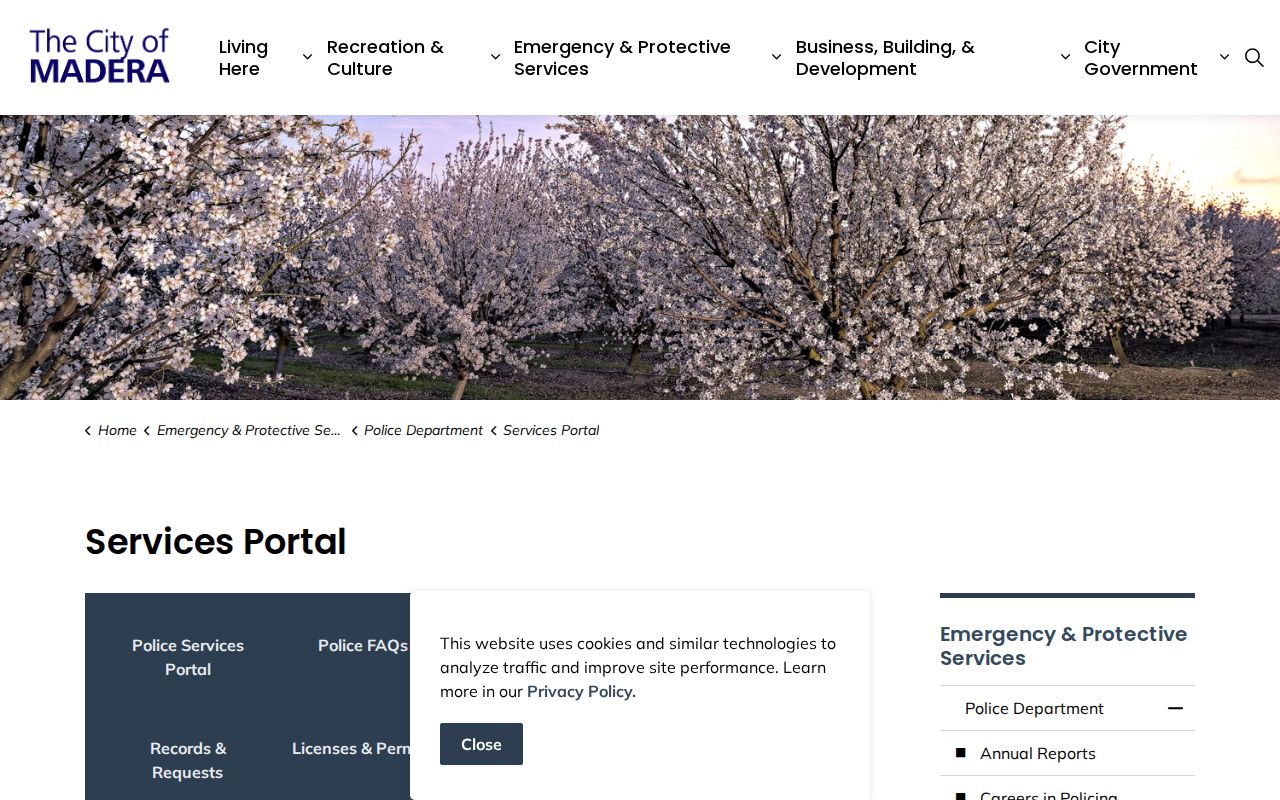
Ask the responsible department for an existing releasable record. An incident report never proves residency. Status questions go to separate custodians: the Madera County custody information, the CDCR incarcerated-person locator, and the California Megan's Law registry. Each follows its own rules. None is a neighbor directory or proof of residence.
Madera CPRA for Block Records
The California Public Records Act is now Government Code Division 10. It lets anyone request an identifiable existing record. Section 7922.535 normally gives an agency 10 days to decide. It decides whether requested copies include disclosable records. An extension of no more than 14 days is allowed for listed unusual circumstances. A request can specify an address, APN, department, permit type, and date range. It cannot force the city to build a new neighbor list or answer a question. Use the City of Madera public-records request route or the responsible department. Inspection is generally free; an agency may charge direct duplication costs. Exempt material can be redacted while reasonably segregable public portions are released. A focused request beats asking for every person tied to a block. Ask for an issued permit, a map, or an existing program record instead. The California response-deadline statute is the controlling source for the 10-day determination rule.
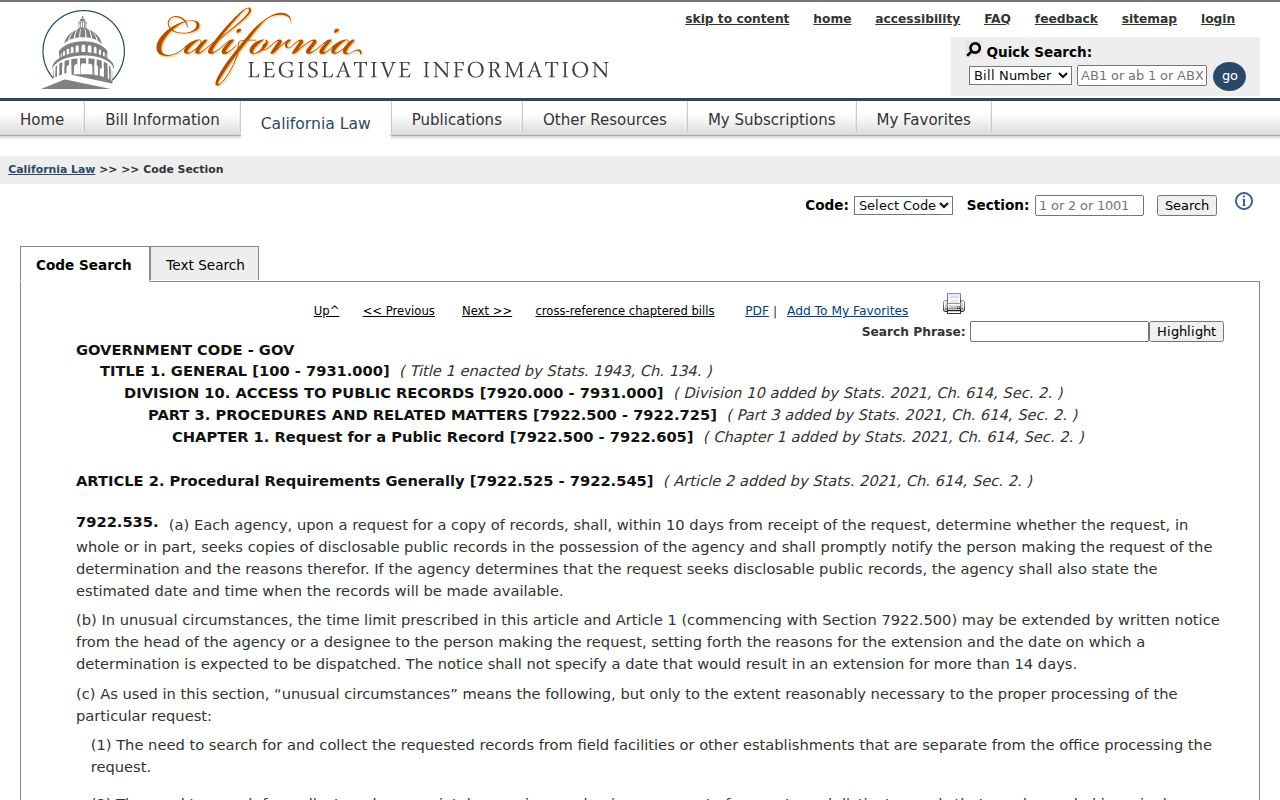
The statute belongs with a records request, not with an assumption that every address-related field must be disclosed.
Madera Neighbor Privacy and Safe at Home
California Consumer Privacy Act rights include several choices. You can know what is collected. You can delete or correct your information. You can opt out of sale or sharing, and you can limit sensitive-information use. Nondiscrimination comes with those rights too. Publicly available government information, such as property records and licenses, sits outside CCPA personal information. So a deletion request cannot rewrite a deed, assessment, or court docket. The California Attorney General CCPA guidance explains that source-record correction belongs with the government custodian. That reference draws the privacy boundary for a Madera block search.
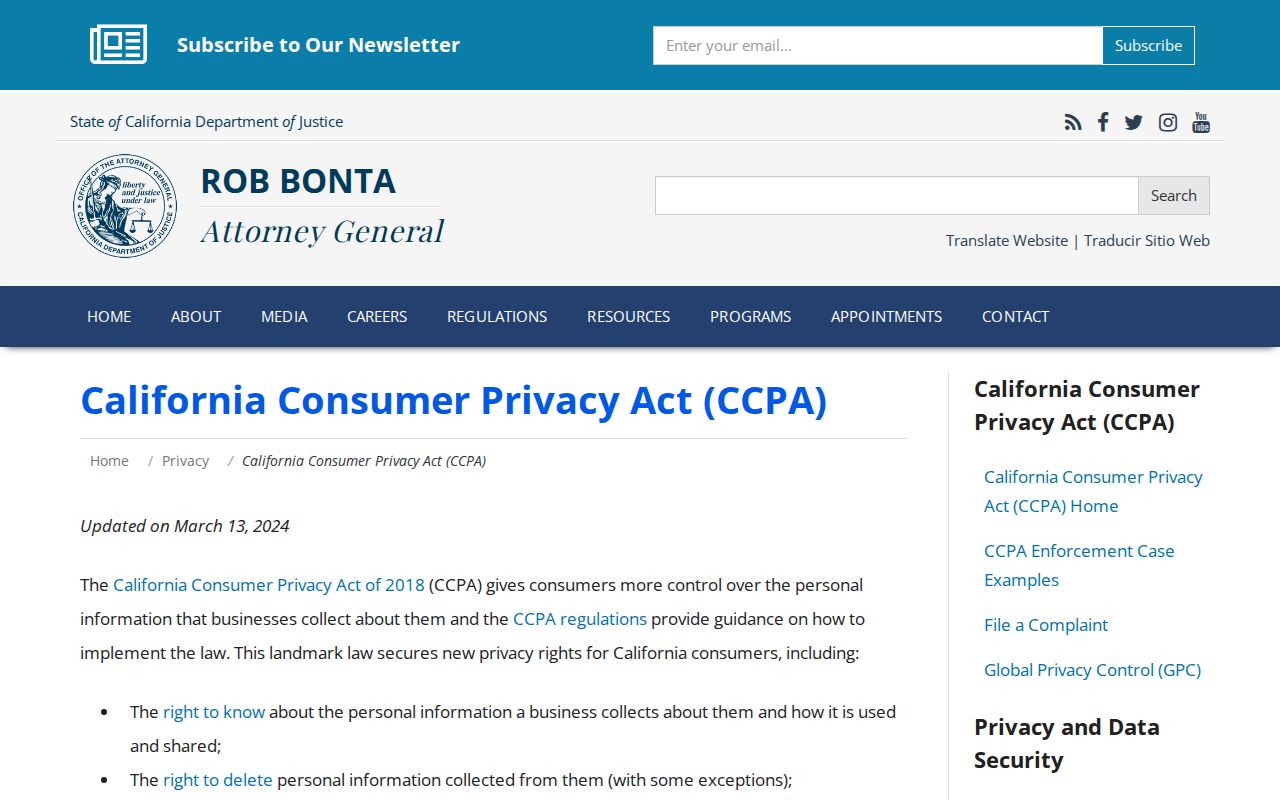
A broker deletion request and a government-record correction are separate actions. Neither grants permission to expose a protected household. California Safe at Home offers qualified survivors and other eligible threatened groups a substitute mailing address, confidential mail forwarding, and confidential voter registration. Government Code sections 6205-6211 and 6208.1 shield participant address, phone, and household details. Enrollment goes through an enrolling agency, not casual direct submission. The Secretary of State lists 877-322-5227 and SafeAtHome@sos.ca.gov for the program. The Safe at Home program page is the access route for address confidentiality.
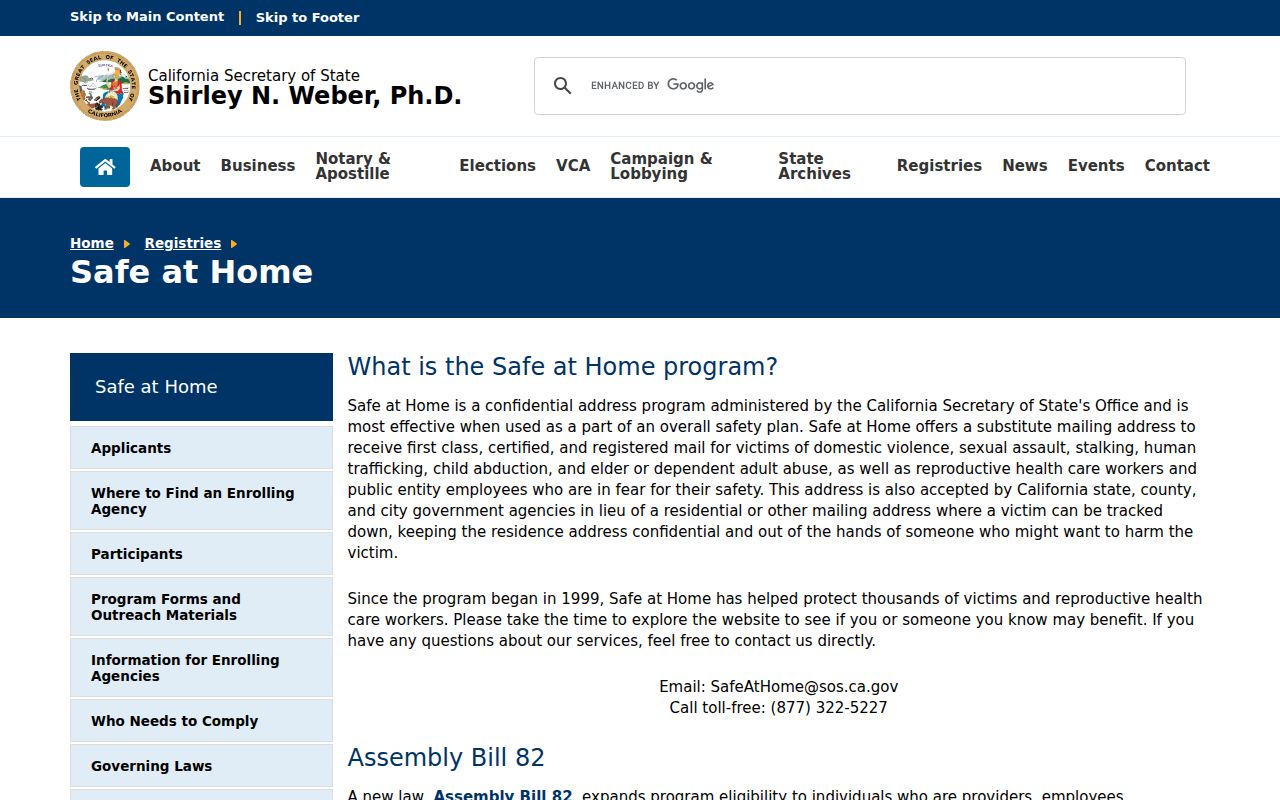
The protected-address program explains why a missing name or address can be a privacy safeguard rather than a search error.
Madera Neighbor Rolls vs Commercial Tools
Official sources and unnamed commercial neighbor tools answer different questions. The official route may be slower or narrower. Yet it identifies the custodian, field, date, and access rule. A commercial compilation may be quick and broad. But it can merge people, recycle old addresses, charge for detail, and lack the correction context held by the source office.
| Source type | Useful strength | Known limit |
|---|---|---|
| Madera GIS and Assessor | Parcel precision and jurisdiction | Ownership is not occupancy; web fields vary |
| Controlled voter file | Approved street-ordered civic data | Purpose, recipient, and protected-record rules apply |
| City permits and CPRA | Dated place and department records | Existing records only; exemptions and redactions |
| Unnamed commercial compilation | May gather many public-source leads | Unverified merges, stale addresses, fees, and weak provenance |
A residents directory lead is only a starting point.
The Madera County office holding the record, whether assessor, recorder, or elections, can verify what a commercial site cannot.
No paid tool proves a neighbor's identity, address, or current presence in Madera.
Madera Neighbor Lookup Boundaries
A Madera residents directory built from public records has real limits. Plenty of people at a given address never show up in a parcel, tax, permit, or voter roll. An owner field names the person on the deed. It does not name every occupant of the house. Household members and nonowner renters simply are not established by that record. Utility accounts sit outside any public block directory by law. So do delivery logs, DMV residence data, and signatures. Social Security numbers and protected voter details are outside it too. When a lookup comes back empty, the cause may be privacy protection. It may also be a different custodian, an unindexed source, or a record outside the date range you asked for.
Lawful use. Neighbor research in Madera is appropriate for getting to know a block, reconnecting, civic curiosity, and personal safety awareness. Do not use a record to stalk, harass, track, or intimidate anyone.
Start with the least revealing record that answers your question about Madera neighbors. A parcel lookup through the assessor often settles who owns a lot without touching any personal detail. Only when that comes up empty should you turn to a fuller resident lookup or street directory.